
How to Choose a Rental Home That Fits Your Family’s Needs

Moth Properties
Choosing the right place to live is a big decision, especially when you’re looking for a home that supports your family’s comfort, safety, and daily routines. With so many houses for rent available today, knowing what to look for can save you time, stress, and unexpected costs. Here’s a complete guide to help you pick a rental home that truly fits your family’s needs.
Understanding Your Family’s Lifestyle and Priorities
Assess Your Space Requirements
Start by understanding how much space your family actually needs. Think about the number of bedrooms required, whether you need a dedicated workspace, or if the kids need separate rooms. When comparing different houses for rent, don’t focus only on square footage pay attention to layout, storage, and how livable the space will feel day-to-day.
Determine Your Budget
Your budget sets the foundation for the type of home you can realistically consider. Make sure you calculate utilities, maintenance expectations, and commute costs. Some houses for rent may appear affordable but come with hidden expenses, so review all potential costs carefully.
Consider Long-Term Plans
Are you planning to stay for a year or more? Do you expect your family to grow? Long-term thinking helps you avoid moving again too soon. Choose a home that can support your family’s needs for the foreseeable future.
Choosing the Right Location for Your Family
Proximity to Schools and Daycare
One of the top factors for families is access to quality education. Look for houses for rent near reputable schools, daycare centers, and tutoring facilities. Shorter commutes can make daily routines much easier.
Access to Parks and Family Activities
A family-friendly neighborhood should offer parks, playgrounds, sports fields, or recreational centers. These outdoor spaces give kids room to grow, explore, and stay active. Being close to these amenities adds convenience and quality of life.
Evaluate Commute and Transportation Options
Check how long it takes to get to work, grocery stores, and other essential destinations. Consider whether public transportation is available and safe. A location that reduces travel stress will benefit the entire family.
Neighborhood Safety and Community Feel
Safety is non-negotiable. Walk around the neighborhood at different times of the day, observe activity levels, and research local crime statistics. Family-oriented communities often feel friendly, relaxed, and welcoming.
Evaluating the Home’s Interior Features
Check Bedroom Count and Layout
Look for houses for rent with the right number of bedrooms and a layout that supports your family’s lifestyle. Open living spaces are great for younger kids, while teenagers may appreciate more separation and privacy.
Kitchen and Living Area Functionality
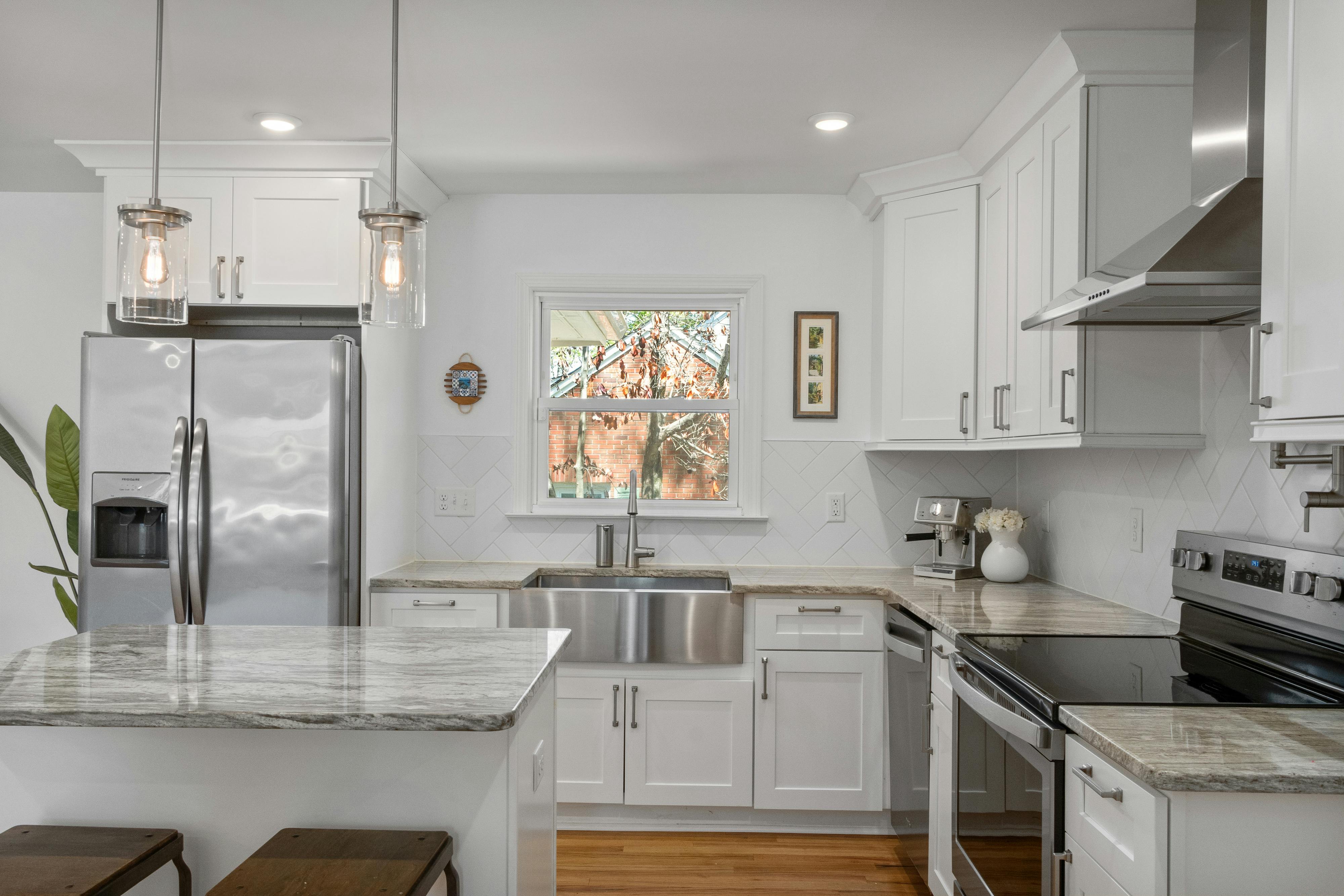
The kitchen is the heart of the home for most families. Make sure it has enough counter space, storage, and room for meal prep. A well-designed living room is equally important, especially for families who spend a lot of time together indoors.
Storage Matters
Kids come with toys, gadgets, clothes, and more. Prioritize houses with closets, cabinets, a pantry, or even a garage. Adequate storage helps keep your home clean and clutter-free.
Condition of Appliances and Home Systems
Pay attention to the age and condition of appliances, HVAC systems, plumbing, and electrical outlets. Well-maintained homes reduce unexpected repair issues and keep your monthly expenses stable.
Outdoor and Community Amenities That Matter
Yard or Fenced Outdoor Space
If you have kids or pets, a yard can be a huge plus. Many houses for rent include fenced backyards, giving your family private space for play and relaxation.
Shared Community Amenities
Some neighborhoods offer community perks like pools, walking trails, sports courts, or picnic areas. These amenities can elevate your family’s lifestyle without increasing your rental costs.
Parking and Safety
Look for safe parking spaces, garages, or well-lit driveways. If you have multiple vehicles, confirm that the property supports them. Parking matters more than people realize, especially during busy mornings or late-night returns.
Inspecting the Property Before You Commit
Check for Safety Hazards
During your walkthrough, look for loose railings, faulty locks, uneven flooring, mold, or water damage. These issues may seem small, but they can create major problems for families.
Review Maintenance History
Ask the landlord how maintenance requests are handled. Fast, reliable service is essential—especially if your family relies on appliances and home systems daily.
Understand the Lease Terms
Before signing the lease, please read it carefully. Understand policies regarding pets, guests, maintenance, rent increases, and security deposits. Clarity helps prevent disputes later.
Making the Final Decision
Compare Multiple Homes
Even if you love the first home you see, keep looking. Comparing multiple houses for rent helps you understand market value and choose the best match for your family.
Balance Needs vs. Wants
Make a list of must-haves and nice-to-haves. If a house meets all your essential needs and most of your preferences, it may be the right fit.
Choose the Home That Supports Your Lifestyle
Ultimately, the best rental home is one that makes everyday life easier, more comfortable, and more enjoyable for your family.